Do you want to elevate the performance and precision of your industrial processing?
Call us now at +39 0123 233020 or fill out the form on the side!
You will be put directly in touch with our deburring specialists.
Do you want to elevate the performance and precision of your industrial processing?
Call us now at +39 0123 233020 or fill out the form on the side!
You will be put directly in touch with our deburring specialists.
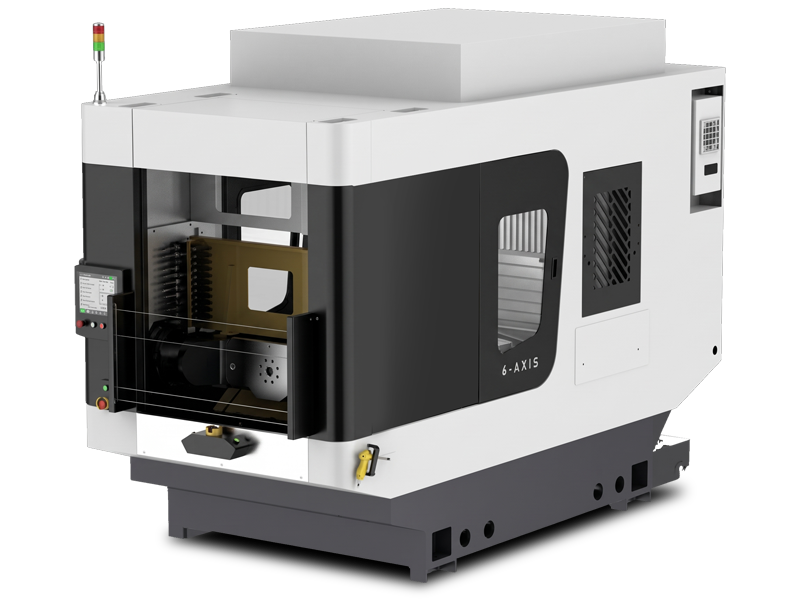
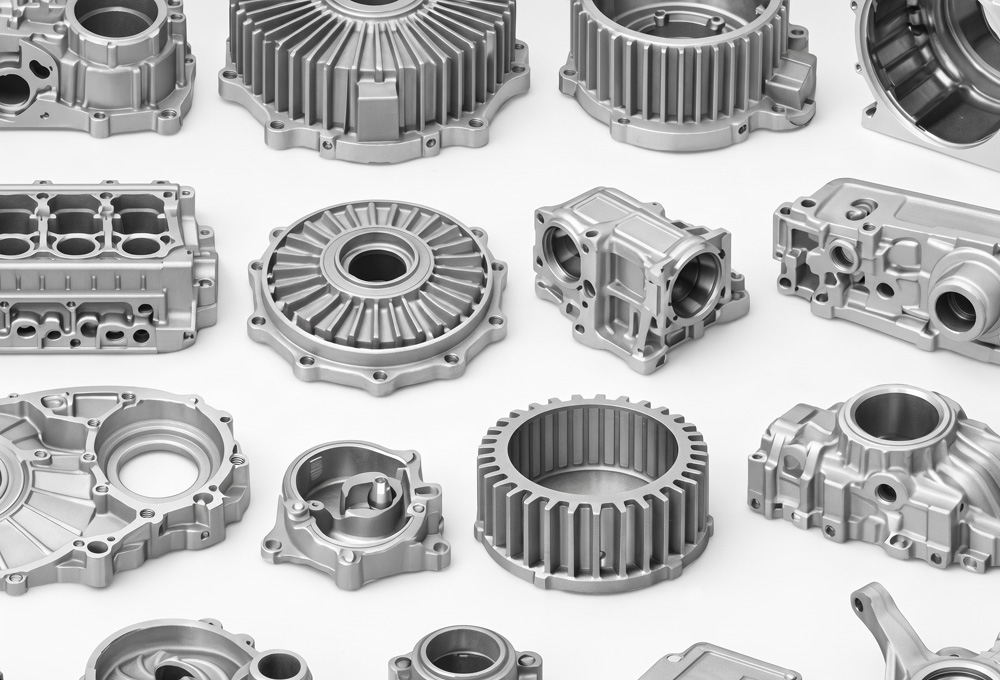
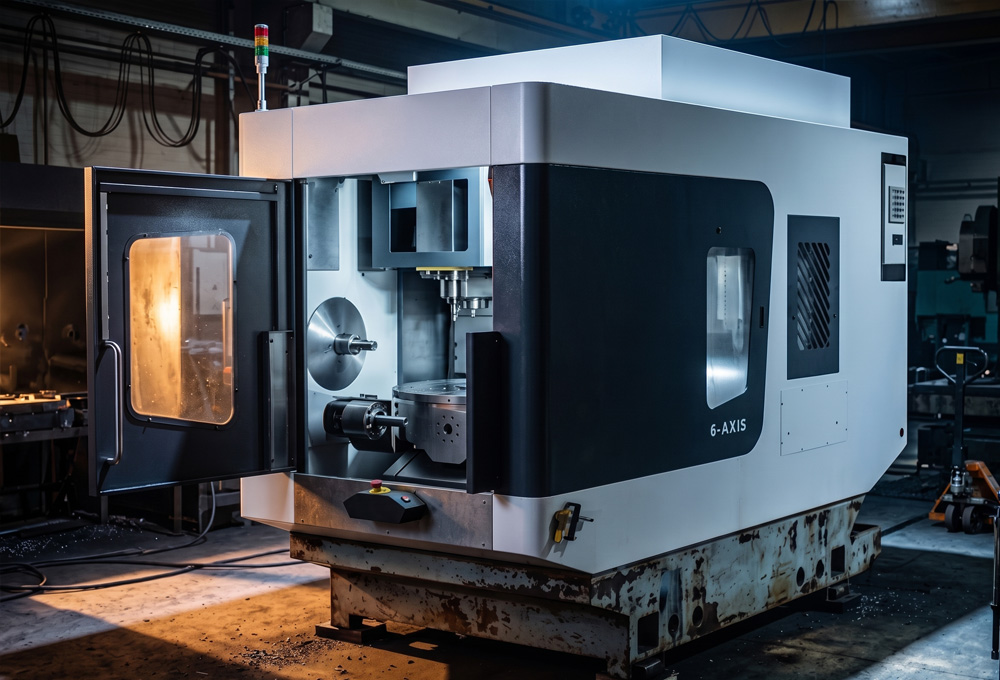
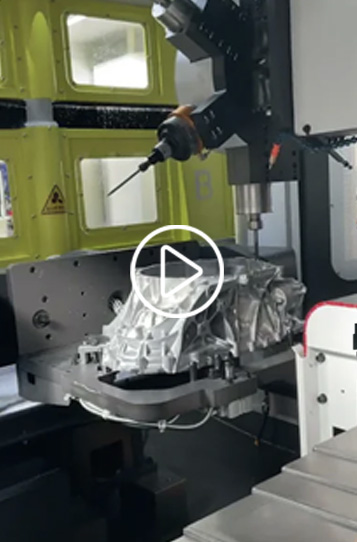
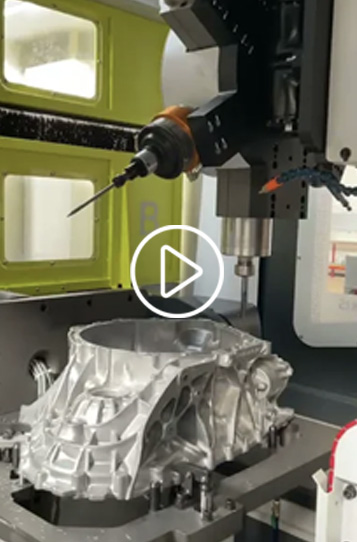
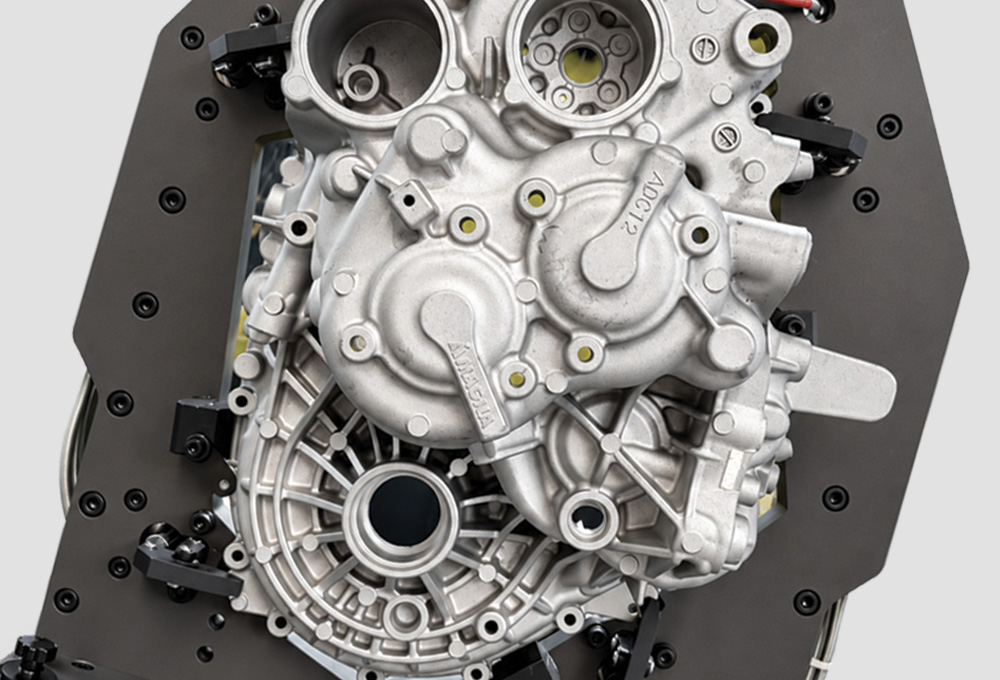
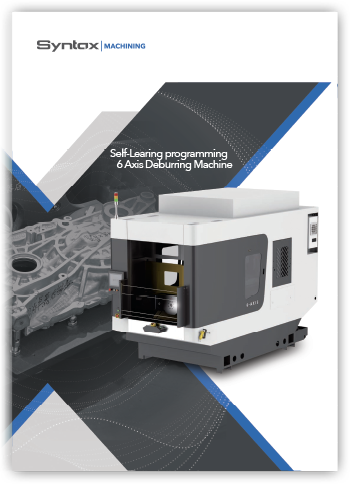
Our innovative, high-technology deburring machines represent the benchmark for precision finishing. We offer a comprehensive range of machines, available in optimized sizes for the deburring of die-cast aluminum elements, regardless of their dimension or geometric complexity. Efficiency is guaranteed by the advanced pneumatic clamping system.
This equipment is designed not only to securely fasten the die-cast elements during the process but also to allow the free and total passage of the tool into every single critical zone requiring deburring. This approach ensures an impeccable and uniform finish on components intended for the most demanding sectors, from automotive to aerospace.
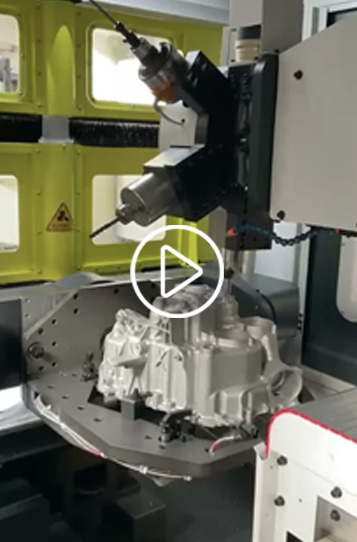
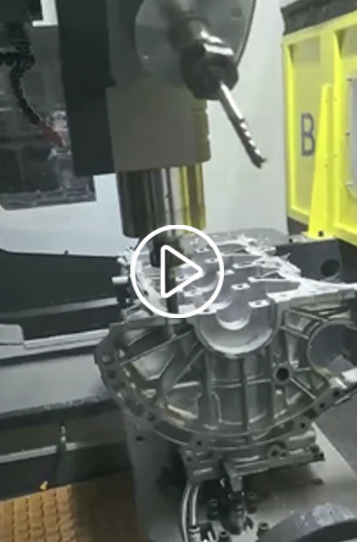
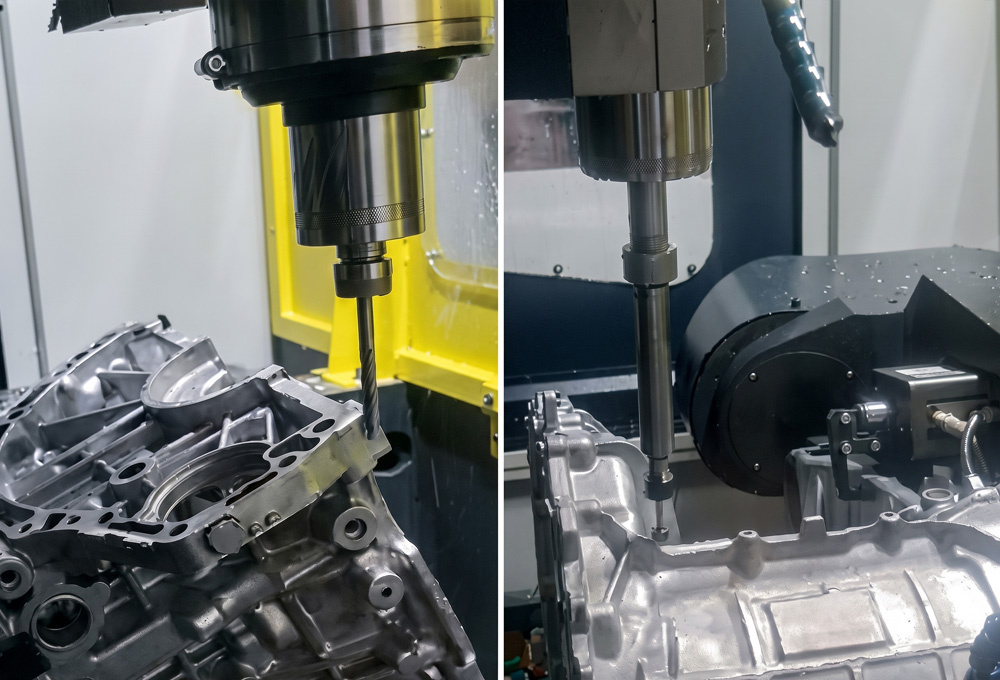
The beating heart of our deburring technology resides in the precision of the specialized spindles. Each spindle has been meticulously studied and manufactured to optimize every phase of the process.
To ensure maximum adaptability to the varying geometries of the die-cast parts, the spindles are equipped with a dedicated axial or radial spring compensation system. This feature allows for dynamic compensation, ensuring a constant and uniform pressure of the tool on the part’s surface, which is essential for consistent, defect-free results.
Adopting Taiwan’s (new generation) multi-axis control dedicated system. Equipped with Taiwan’s (new generation) servo control motor, it has fast response speed, smooth running trajectory, and precise position control. The spindle can be at any angle, the tool change is fast, and there are pneumatic polishing tools available. Adopting a six-axis teaching programming method, multiple specifications of workpieces can be taught, and the program can be stored.
The main structure of the equipment is formed by casting, with high rigidity, high precision, no tool vibration during processing, and fast feed rate. Grinding and deburring tools can achieve a reasonable combination of flexible and rigid tools.
Our advanced, high-performance deburring machines set a reference standard for precision finishing in aluminum castings. The range includes multiple machine configurations, engineered to efficiently process all types of aluminum die-cast and gravity-cast components, independent of size, shape, or structural complexity. These systems are specifically designed to remove burrs, runners, gates, flash, and other surface imperfections generated during the casting process.
For small or medium-sized parts, dedicated solutions allow multiple components to be processed simultaneously within a single fixture, maximizing productivity and cost efficiency. The robust pneumatic clamping ensures stable part positioning while guaranteeing full tool accessibility to every critical area requiring cleaning. This results in consistent, high-quality surface finishing suitable for demanding industrial applications such as automotive, aerospace, industrial machinery, hydraulics, and energy sectors.
In parallel, the tooling is custom-developed for each application. Every tool is specifically designed for the deburring process, allowing precise access to deep cavities, complex angles, and critical areas. The combination of dedicated spindles and tooling ensures complete, consistent, and high-quality finishing of the cast components.
SYNTAX
Head office: Via Artigiani, 9 – 10070 Balangero (TO)
T +39 0123 23 30 20 – commerciale@syntaxline.com
© 2026 SYNTAX Srl – www.syntaxline.com
To provide the best experiences, we use technologies such as cookies to store and/or access device information. Consenting to these technologies will allow us to process data such as browsing behavior or unique IDs on this site. Not consenting or withdrawing consent may adversely affect certain features and functions.